Mumford & Sons' SNL Comeback: The Prizefighter Era Unveiled
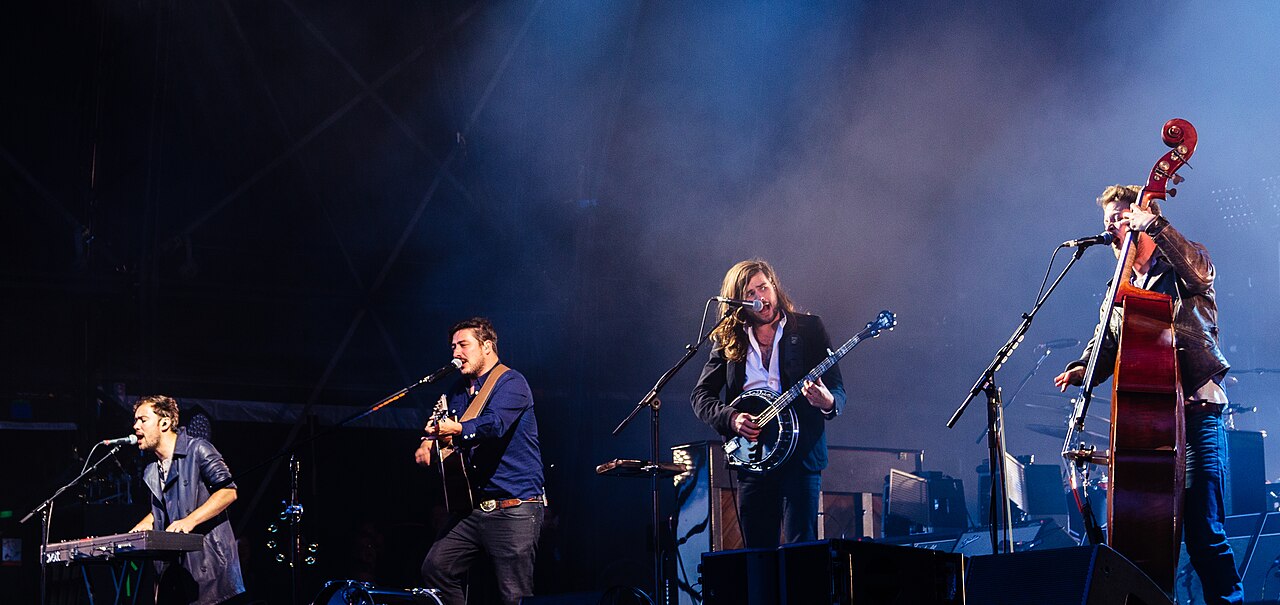
Saturday Night Live has long been a revered stage for artists to announce new chapters, and Mumford & Sons' recent fourth appearance was no exception. Far from a mere promotional stop, their performance on the iconic late-night show served as a powerful declaration of their "Prizefighter" era—a period marked by artistic reinvention, deep collaboration, and a newfound comfort in their evolving sound. This wasn't just another performance; it was a testament to growth, showcasing a refined musicality that captivated audiences and hinted at exciting directions for the beloved English folk-rock band. While discussions around Mumford & Sons' SNL appearance often highlight their trio's new sound with Hozier and Stapleton, it also gave fans a fresh perspective on the band's intricate instrumentation, including their distinctive guitar work, even as their lineup has shifted.
Prizefighter: An Album Born of Authenticity and Evolution
The anticipation leading up to Mumford & Sons' SNL set was palpable, particularly as they were poised to showcase tracks from "Prizefighter," an album Marcus Mumford himself championed as his favorite to date. "It’s like we got to this stage in our careers where we’re comfortable in our skin now, and so we can talk straight," Mumford, 39, explained, highlighting a core theme of authenticity that permeates the record. This comfort is not just about lyrical honesty; it's a profound statement on their musical journey, reflecting years of navigating success, change, and personal growth.
The "Prizefighter" era is significant for several reasons. Released as their second album in less than a year (following "Rushmere" in March), it represents their continued prolific output as a trio. The departure of guitarist and banjoist Winston Marshall, partly due to political differences, marked a pivotal moment, urging the remaining members—Marcus Mumford, Ben Lovett, and Ted Dwane—to explore new sonic landscapes. This evolution is masterfully guided by co-producer Aaron Dessner of The National, whom bassist Ted Dwane, 41, praised as a "real ally." Dessner's distinctive touch, honed through years with his own critically acclaimed band and collaborations with artists like Taylor Swift, brings a nuanced depth to Mumford & Sons' sound, allowing for richer textures and more expansive arrangements that subtly redefine their signature folk-rock roots.
For artists navigating similar transitions, the Mumford & Sons approach offers valuable insight: embracing collaborators who understand your vision can be transformative. Dessner’s role was more than just technical; it was about fostering an environment where the band could confidently "talk straight" through their music. This mutual respect and creative alignment allowed the band to lean into their instincts, crafting an album that feels both familiar and refreshingly new. It also provided an opportunity to reimagine the role of instrumentation within the band, allowing new guitar tones and arrangements to emerge.
SNLs Electric Performances: A Symphony of Collaborations and Evolving Guitar Work
Mumford & Sons' SNL performances were a masterclass in collaboration, underscoring the dynamic shifts in their sound. They opened with "Rubber Band Man," a powerful track featuring Irish musician Hozier and co-written by Brandi Carlile. The stage was further graced by Hozier himself and co-producer Aaron Dessner, creating a formidable collective energy. The song showcased a robust blend of their signature harmonies with Hozier's soulful depth, driven by a compelling rhythmic foundation. The ensemble’s live chemistry was undeniable, with Dessner's presence on stage subtly weaving intricate musical layers that enriched the overall sound. While there wasn't a specific "mumford snl guitar" incident to report, the overall guitar work, from the driving acoustic rhythms to potential electric embellishments from Dessner or other guest musicians, played a crucial role in delivering the song's gravitas and expansive feel.
Their second offering was "Here," the opening track to "Prizefighter," featuring the distinct voice of Chris Stapleton. This performance brought another layer of artistry, with Dessner again joining alongside singer-songwriter Sierra Ferrell. "Here" allowed the band to explore a more introspective and raw emotional space, complemented by Stapleton's gravelly vocals and Ferrell's unique artistry. The interplay of acoustic instruments, including the core Mumford & Sons guitar presence, with these powerful guest voices created a captivating dynamic. It demonstrated the band's willingness to experiment with different vocal textures and instrumental backdrops, expanding beyond their traditional soundscapes. The focus on rich acoustic instrumentation, often featuring prominent guitar lines, remains a hallmark, even as they integrate new influences. This willingness to innovate and collaborate is precisely why Mumford & Sons at SNL highlighted why Prizefighter is their favorite album – it's a testament to their broadened artistic horizons.
Tips for Artists: Embracing Strategic Collaborations
- Seek "Allies," Not Just Producers: As Ted Dwane noted with Aaron Dessner, finding collaborators who deeply understand and champion your vision can elevate your work beyond expectations.
- Diversify Your Sound: Don't be afraid to invite artists from different genres (like Hozier, Brandi Carlile, or Chris Stapleton) to contribute. This can introduce fresh perspectives and broaden your appeal.
- Perform with Your Collaborators: Bringing guests like Hozier and Aaron Dessner onto the SNL stage amplified the authenticity and impact of the new material, showcasing the collaborative spirit live.
The Enduring Legacy: Mumford & Sons Beyond SNL
The "Prizefighter" era, vividly showcased on Saturday Night Live, is more than just a collection of new songs; it's a narrative of resilience, reinvention, and artistic confidence. Mumford & Sons have proven that evolution doesn't mean abandoning their roots, but rather enriching them through thoughtful collaboration and introspection. Their journey as a trio has allowed them to forge a sound that feels both familiar and pioneering, demonstrating a mastery of their craft that continues to resonate with a global audience.
As they continue to grace stages, including upcoming appearances at festivals like Bourbon & Beyond, Mumford & Sons are not just performing new music; they are cementing their legacy as a band unafraid to evolve. Their SNL comeback, marked by powerful collaborations and a deeply personal new album, stands as a beacon for artists navigating change, proving that comfort in one's own artistic skin can lead to the most authentic and compelling creations. The band's continuous exploration of their sound, including the nuanced contributions of the mumford snl guitar work in their evolving instrumental arrangements, signals a vibrant future for these enduring musical storytellers.