Mumford & Sons' SNL Triumph: Unpacking *Prizefighter* and Their Evolving Sound
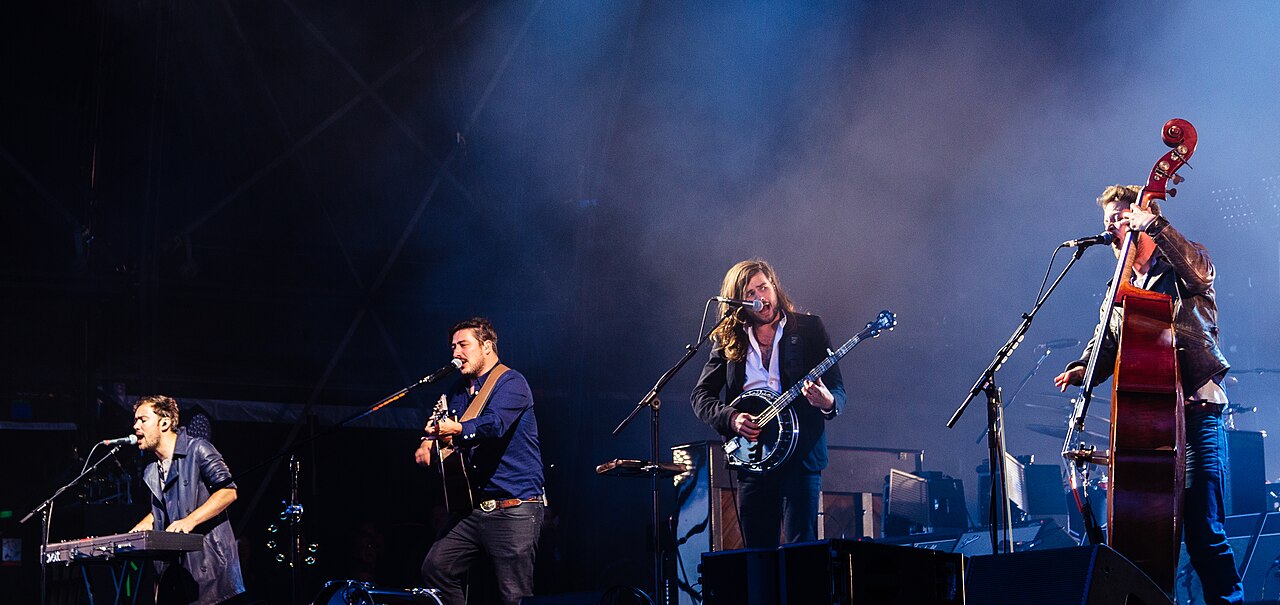
When Mumford & Sons graced the iconic stage of Saturday Night Live for their fourth appearance, it wasn't just another performance; it was a powerful declaration of their artistic evolution. Showcasing tracks from their critically acclaimed album, Prizefighter, the English folk-rock stalwarts demonstrated a renewed sense of purpose and a captivating sonic landscape. This return marked a significant chapter for the band, now a trio, as they unveiled a sound that is both familiar in its emotional depth and fresh in its collaborative spirit and instrumental texture. For fans keen on understanding the nuances of their SNL showcase, particularly the role of the mumford snl guitar in their evolved sound, this article delves into the heart of their performance and the making of what Marcus Mumford himself calls his favorite album.
The SNL Showcase: A Triumphant Return with *Prizefighter*
Mumford & Sons' latest SNL stint was a vibrant display of their current direction, highlighting the collaborative ethos that defines Prizefighter. Their performance opened with "Rubber Band Man," a track infused with the soulful contributions of Irish musician Hozier and co-written by the formidable Brandi Carlile. On stage, Hozier joined them, alongside co-producer Aaron Dessner of The National, creating a rich, layered sound that captivated the audience. This ensemble performance immediately signaled a departure from their earlier, more traditionally folk-leaning arrangements, embracing a broader sonic palette.
The second song, "Here," the opening track from Prizefighter, further solidified this new artistic vision. Featuring the distinctive voice of Chris Stapleton, who also performed alongside Dessner and singer-songwriter Sierra Ferrell, "Here" showcased a raw, authentic energy. These collaborations weren't merely guest spots; they were integral to the very fabric of the songs, demonstrating Mumford & Sons' willingness to share the stage and fuse their sound with other remarkable artists. This collaborative approach extends naturally to the instrumentation. While the signature banjo and acoustic guitar rhythms that once defined their early sound are still present, they are now woven into a more expansive tapestry, where the mumford snl guitar work, often shared or integrated into the overall production, complements the rich vocal harmonies and diverse guest contributions.
Why *Prizefighter* Resonates Deeply with Mumford & Sons
Long before its release, Marcus Mumford articulated a profound connection to Prizefighter, proclaiming it his favorite album to date. This sentiment, coming from the band's frontman, speaks volumes about the creative and personal journey undertaken during its creation. At 39, Mumford reflected on a newfound comfort and honesty within the band's skin. "It's like we got to this stage in our careers where we’re comfortable in our skin now, and so we can talk straight," he shared, hinting at a period of artistic maturity and unvarnished expression. This comfort manifests in the directness and emotional honesty of the lyrics and the music itself, allowing the trio to delve deeper into personal narratives and universal truths without pretense.
This candidness is palpable throughout Prizefighter. It’s an album that doesn’t shy away from vulnerability, yet it possesses a quiet strength. The shift in perspective, the ability to "talk straight," suggests a liberation from past expectations or self-imposed boundaries. For musicians and artists, reaching this level of comfort and authenticity is a pinnacle achievement, allowing for the most genuine and impactful work. It's about shedding the need to fit a mold and simply creating from the heart. This might even influence how they approach their live performances, with the mumford snl guitar parts being played with a deeper sense of conviction and less concern for external perception.
The Evolving Sound: From Folk Roots to Collaborative Horizons
Prizefighter is not just an album; it's a testament to Mumford & Sons' dynamic evolution, particularly in the wake of significant changes within the band. Released less than a year after Rushmere, their first album as a trio, Prizefighter solidifies their new identity following the departure of guitarist and banjoist Winston Marshall. Marshall's exit, due in part to political differences, left a creative void that the remaining members – Marcus Mumford, Ted Dwane, and Ben Lovett – have skillfully refilled through collaboration and a broadened musical scope.
The absence of Marshall, a central figure in their early, banjo-driven sound, naturally led to a re-evaluation of their instrumentation. While the band’s signature blend of acoustic instruments remains, the focus has subtly shifted. On the SNL stage, the role of the mumford snl guitar, and indeed the banjo, felt more integrated into a larger, richer soundscape rather than being the sole driving force. This is where Aaron Dessner's influence as co-producer becomes paramount. Known for his work with The National, Dessner brings a sophisticated, often atmospheric touch that allows individual instruments, including various guitars, to contribute to the overall mood and texture without dominating.
bassist Ted Dwane, 41, lauded Dessner's contribution, stating, "Dessner, he just feels like a real ally." This partnership, which began during the preparation for their third record, Wilder Mind, has clearly deepened, enabling Mumford & Sons to explore new territories while maintaining their distinctive melodic and lyrical strengths. The collaboration with Dessner and the array of guest artists on Prizefighter allows for a wider exploration of guitar tones and styles, from acoustic strumming to more electric, textured parts, ensuring the mumford snl guitar work on display was both familiar and excitingly new.
Decoding the Production Magic: Aaron Dessner's Influence
The role of a producer in shaping an album's sound cannot be overstated, and for Prizefighter, Aaron Dessner has clearly been an indispensable architect. His reputation, built through his influential work with The National and numerous other artists, precedes him, making his involvement a strong indicator of a band's intention to explore new sonic dimensions. Ted Dwane’s description of Dessner as a "real ally" speaks to a relationship built on trust and mutual respect, crucial elements for any successful creative partnership. This alliance allows a band to push its boundaries while feeling secure in the knowledge that their core identity is understood and respected.
Dessner’s production style often emphasizes atmosphere, intricate layering, and a meticulous approach to instrumentation. For Mumford & Sons, this has meant an opportunity to move beyond the immediate confines of their traditional folk-rock sound, integrating elements that might lean towards indie-rock, alt-country, or even more experimental textures. This shift is evident in how instruments, including various guitars, are arranged and recorded on Prizefighter. Instead of merely serving as rhythmic or harmonic foundations, they become integral parts of the emotional landscape, contributing subtle textures and intricate patterns. This approach ensures that the mumford snl guitar presence, while perhaps less overtly 'folk' in its execution, is rich with detail and purpose, contributing to the album's depth.
The seamless integration of guest artists like Hozier, Chris Stapleton, Brandi Carlile, and Sierra Ferrell is also a testament to Dessner's ability to weave diverse voices into a cohesive narrative. He creates a space where these collaborations feel organic and essential, enhancing the album's emotional resonance rather than distracting from it. This collaborative spirit, guided by Dessner, is perhaps the most defining characteristic of Prizefighter, signaling a mature and confident new era for Mumford & Sons. For more details on their recent SNL appearance, check out our article Mumford & Sons' SNL Comeback: Prizefighter Era Unveiled.
Tips for Aspiring Musicians on Evolution and Collaboration
The journey of Mumford & Sons with Prizefighter offers valuable lessons for any artist or band looking to grow and adapt:
- Embrace Change: Lineup changes or shifts in artistic direction can be challenging, but they also present opportunities for reinvention and growth. Be open to how these changes can reshape your sound.
- Seek "Allies": Finding the right collaborators, whether co-writers, guest musicians, or producers, can unlock new creative avenues. A good producer, like Aaron Dessner for Mumford & Sons, acts as a trusted partner who understands your vision and helps you achieve it.
- Prioritize Authenticity: Marcus Mumford's statement about being "comfortable in our skin" highlights the importance of creating from a place of genuine self-expression. Audiences connect with honesty and vulnerability.
- Experiment with Instrumentation: Don't be afraid to reimagine the role of your instruments. The evolution of the mumford snl guitar sound, moving from traditional folk to a more integrated, textured approach, demonstrates how flexibility can enrich your music. Consider how different guitar tones, effects, or playing styles can add new dimensions to your songs.
- Broaden Your Influences: Engaging with diverse artists, as Mumford & Sons have done with Hozier, Stapleton, and Carlile, can introduce fresh perspectives and expand your musical vocabulary. Discover more about their collaborative sound in our piece: Mumford & Sons SNL: Trio's New Sound with Hozier, Stapleton.
Mumford & Sons’ SNL performance and the profound impact of Prizefighter underscore a band that is not content to rest on its laurels. Their commitment to evolution, collaboration, and authenticity has yielded an album that is not only a personal favorite for its creators but also a compelling work for their listeners. It’s a testament to the power of artistic growth and the timeless appeal of music made with genuine passion.